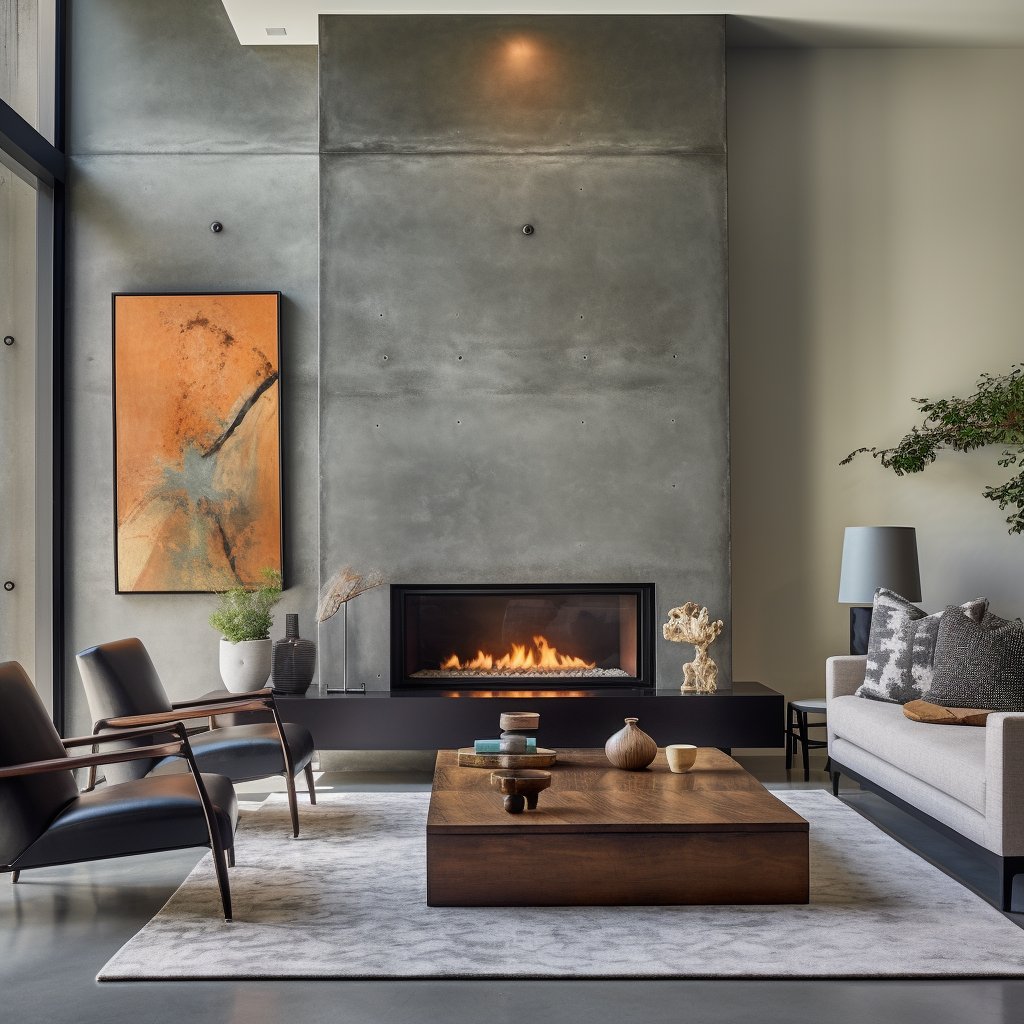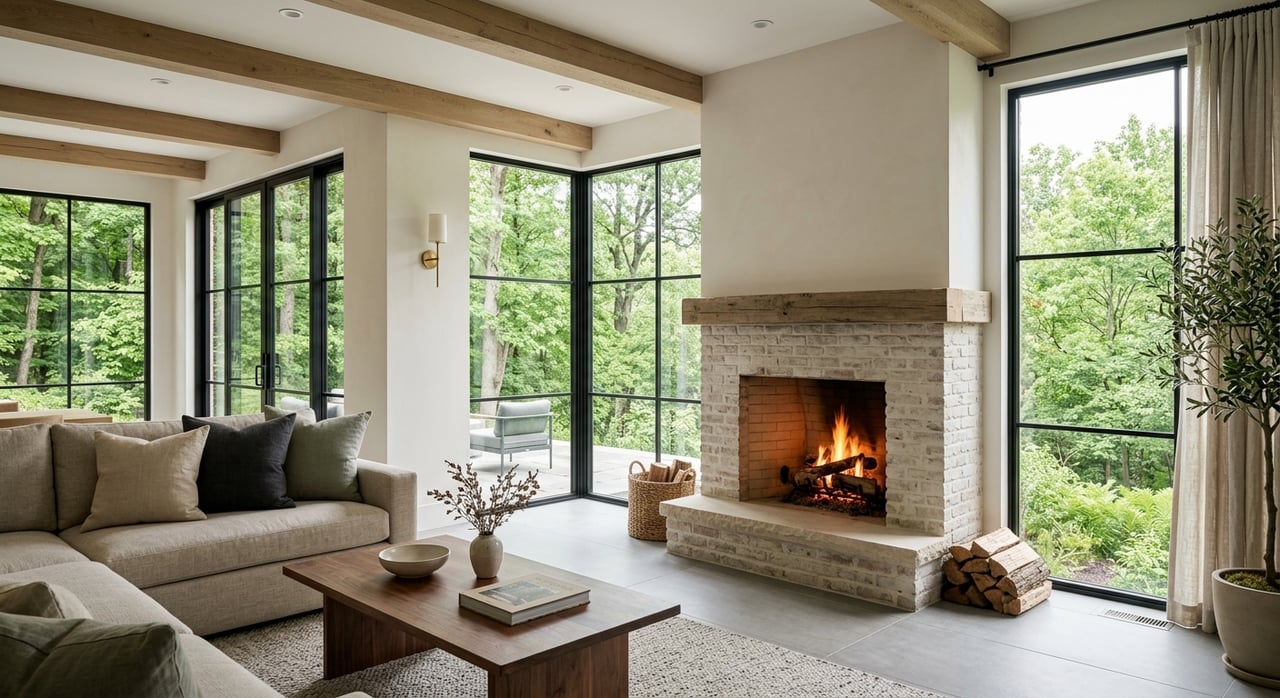
Trying to choose between a newer home and a resale home in The Woodlands? It is a smart question, because in this community, the age of a home often affects more than finishes and floor plans. Your lot, tree coverage, energy performance, and even what you can change later all play a major role. If you want to buy with more clarity and fewer surprises, this guide will help you weigh the tradeoffs. Let’s dive in.
Why home age matters in The Woodlands
The Woodlands is not a one-era community. It is a 28,500-acre master-planned community made up of nine residential villages, with development stretching from the 1970s into the 2000s and beyond. That long timeline means a home’s age is often tied to the character of its setting, lot design, and how established the surrounding area feels.
For example, Grogan’s Mill opened in 1974, Cochran’s Crossing in 1983, Alden Bridge in 1994, and Creekside Park in 2007. As you compare homes, you are often comparing different development eras, not just different properties. In The Woodlands, that can shape everything from tree canopy to renovation potential.
The broader community also adds context to your decision. The Woodlands includes 151 parks, 220 miles of hiking and bike trails, and nearly 8,000 acres of open space. Because of that, some buyers are comfortable with a smaller private yard if they value the overall outdoor environment more.
What newer homes often offer
Newer homes tend to appeal to buyers who want stronger near-term performance and fewer immediate upgrade concerns. One of the biggest benefits is energy efficiency. ENERGY STAR-certified homes exceed minimum energy code requirements by at least 10% and are independently verified for insulation, windows, air sealing, and HVAC systems.
That stronger baseline can translate into practical day-to-day benefits. ENERGY STAR says these homes can deliver at least 10% annual utility-bill savings, along with better comfort, durability, and performance. High-efficiency heating and cooling systems can also support moisture control, indoor air quality, and quieter operation.
If you are relocating, juggling a busy schedule, or simply want a lower-maintenance start, that matters. A newer home may reduce the number of system replacements or efficiency projects you need to think about right away. For many buyers, that peace of mind is a major advantage.
Newer does not mean unlimited flexibility
In The Woodlands, even a newer home comes with community standards. The township regulates items like tree removal and replanting, fence design, exterior colors and materials, lot coverage, and architectural compatibility. So while a newer property may feel move-in ready, it does not mean you can automatically make any outdoor or exterior change you want later.
That is especially important if you already have plans for a pool, patio cover, generator, fence update, or addition. Before you fall in love with a newer home, make sure the lot and the current standards fit your long-term plans. The home itself is only part of the decision.
What resale homes often offer
Resale homes in The Woodlands often attract buyers who value a more established setting. Because many are located in earlier phases of the community, they may feel more mature and more heavily wooded. In a place that was designed to preserve as much natural forest as possible, that can be a meaningful part of the appeal.
For some buyers, the lot and landscape are a big part of the home’s value. Mature trees, established vegetation, and a settled streetscape can create a look and feel that is hard to replicate. If that lifestyle matters to you, a resale home may deserve a closer look.
Resale properties can also create renovation opportunities. If you are comfortable improving a home over time, you may be able to align the property more closely with your style and priorities. That can be especially attractive if you care more about location, lot characteristics, and long-term upside than having every finish brand new on day one.
Renovation potential comes with review rules
In The Woodlands, exterior updates are not simply a contractor decision. The township says most properties are governed by covenants, and many repairs or alterations on a single-family lot require prior written approval. Each village has a Residential Design Review Committee made up of resident volunteers.
The practical takeaway is simple. If you are buying a resale home because you want to add a pool, expand outdoor living, replace a fence, or build an addition, verify what is feasible before you make an offer. Detailed drawings, specifications, and inspections may be required for many improvements.
Easements, setbacks, lot coverage, and architectural compatibility also matter. So the question is not just whether a home needs work. It is whether the lot and the standards support the work you want to do.
Lot value matters more than many buyers expect
In The Woodlands, lot size on paper does not tell the whole story. The township notes that native vegetation is the community’s most important landscape element, and lot development was designed to preserve as much natural forest as possible. That means you should look beyond the square footage number and study how the lot actually functions.
A smart comparison includes:
- Usable yard shape
- Tree canopy and placement
- Easements for utilities, drainage, screening, or privacy
- Setbacks that may limit future additions
- Lot coverage rules that affect what can be built later
This is one reason the newer-versus-resale decision can feel more complex in The Woodlands than in other areas. Two homes with similar square footage may offer very different long-term flexibility depending on the lot.
Energy questions to ask on resale homes
If you are leaning toward a resale home, energy performance deserves extra attention. The Department of Energy notes that many older homes have less insulation than homes built today. That does not make an older home a poor choice, but it does mean you should budget carefully and inspect thoughtfully.
A home energy assessment can help identify where a property is inefficient and which fixes matter most. In practical terms, you may want to look more closely at insulation, windows, air sealing, and HVAC performance. Those items can affect both monthly costs and overall comfort.
For a buyer focused on long-term value, this is where strategy matters. A resale home with strong lot appeal and a great setting may still be the right choice, especially if you understand the likely upgrade path before closing.
How to decide which option fits you
The best choice depends on how you want to live and how long you expect to stay. If you want lower near-term upgrade risk, stronger energy performance, and a more turnkey experience, a newer home may fit better. If you value mature landscaping, an established setting, and the chance to improve a home over time, resale may be the stronger option.
It also helps to think in terms of tradeoffs instead of labels. A newer home may offer efficiency and fewer immediate repairs, but the lot may be less flexible than you assume. A resale home may offer more character and a stronger natural setting, but it may also require energy updates or renovation planning.
A simple decision framework
Ask yourself these five questions:
- How important is move-in-ready condition?
- Do you want mature trees and a more established streetscape?
- Are you planning future exterior changes like a pool or addition?
- How much near-term upgrade budget are you comfortable with?
- How long do you expect to stay in the home?
Your answers will usually point you in the right direction faster than focusing on age alone.
Why due diligence matters in The Woodlands
The Woodlands Township does not operate a traditional building department for these community standards. Instead, Covenant Administration reviews applications, issues permits, and supports compliance with the covenants and standards. For buyers, that means exterior changes should be treated as a covenant-review issue, not just a project estimate.
Because standards can be updated over time, it is wise to verify the current neighborhood criteria before making plans for major work. This is true whether you are buying newer or resale. In The Woodlands, the real question is often whether the home, the lot, and your future plans all fit together.
That is where a process-driven approach can save you time and money. When you evaluate the property beyond the photos and finishes, you make a more confident decision and protect your long-term value.
If you want help comparing newer and resale homes in The Woodlands with a clear strategy around lot fit, long-term costs, and future flexibility, schedule a real estate strategy call with Penaranda Real Estate LLC.
FAQs
Should you choose a newer home in The Woodlands for lower utility costs?
- A newer home may offer stronger energy performance, especially if it is ENERGY STAR-certified, which can support at least 10% annual utility-bill savings compared with minimum code homes.
Should you choose a resale home in The Woodlands for mature trees?
- A resale home may be a better fit if you value established landscaping and a more heavily wooded setting, especially in earlier-developed villages.
Can you add a pool or addition to a home in The Woodlands?
- Possibly, but you should verify easements, setbacks, lot coverage, and current covenant standards before you buy because many exterior improvements require prior written approval.
Are exterior changes on homes in The Woodlands heavily regulated?
- Many exterior changes are reviewed through Covenant Administration and may require approvals, drawings, specifications, and inspections depending on the project.
What should you inspect first on an older resale home in The Woodlands?
- Pay close attention to insulation, windows, air sealing, and HVAC performance, since many older homes have less insulation than homes built today.
Does lot size tell the whole story in The Woodlands?
- No. Usable yard shape, tree placement, easements, setbacks, and lot coverage rules can matter just as much as the lot size itself.