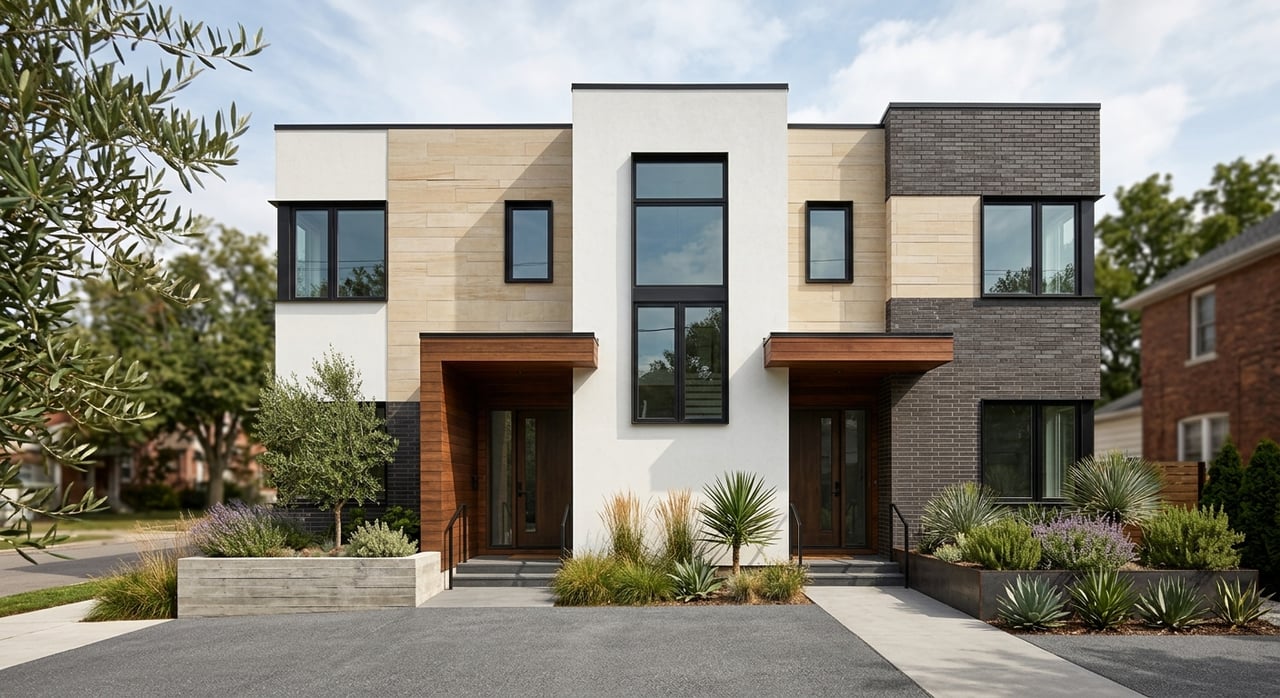
If you are looking at Houston new construction as a long-term investment, the biggest mistake is assuming that newer automatically means better. In a market with strong population growth, a large job base, and a deep construction pipeline, the best investment is usually the property that works on paper today and still gives you options later. This guide will help you think through where new construction fits, which property types deserve the closest look, and what risks matter most before you buy. Let’s dive in.
Why Houston Still Gets Investor Attention
Houston remains one of the biggest growth stories in the country. The Houston-Pasadena-The Woodlands metro added 198,171 residents from July 2023 to July 2024, bringing the population to 7,796,182. Harris County was estimated at 5,009,302 residents in 2024, and the City of Houston reached 2,392,327 in 2025.
For you as a long-term investor, that matters because population growth supports housing demand over time. Houston also has a broad labor market, with about 3.49 million nonfarm jobs in April 2026. Major job concentrations include trade, transportation, utilities, professional and business services, education and health services, and construction.
That diversity is important. It means Houston is not leaning on just one industry to support long-term housing demand, which can help reduce risk when market conditions shift.
Why the Market Feels More Balanced Now
Houston is active, but it is no longer the kind of market where almost any property could sell or lease instantly at aggressive pricing. HAR reported 88,634 single-family sales in 2025, up 3.8% from the prior year, while the single-family median price stayed statistically flat at $335,000. Months of inventory expanded to 4.5 months for the full year.
By January 2026, active single-family listings had risen to 34,570, inventory reached 4.7 months, and days on market increased to 66. That points to a more balanced market, where discipline matters more than momentum.
For investors, this is not bad news. In many cases, a more balanced market gives you more room to compare options, negotiate carefully, and avoid buying based on hype alone.
Why New Construction Needs a Careful Approach
Houston is not a scarcity market for new homes. Through April 2025, the metro ranked first nationally for single-family permits with 17,583 units year to date and second for multifamily permits with 6,559 units. For full-year 2025, the Houston CBSA ranked second in the nation for residential units authorized by building permits at 65,075.
That level of supply changes the way you should think about new construction. You are not just buying a shiny new home. You are buying into a market where competing new inventory may remain available for future tenants and future resale buyers.
This is why paying too much for a new-build premium can hurt your long-term performance. If similar resale homes or competing new homes are readily available, your deal needs to make sense beyond the appeal of being brand new.
Which Houston New Construction Types Deserve the Closest Look
Single-family homes offer broader liquidity
Based on current Houston data, detached single-family homes deserve the strongest attention from long-term investors. They tend to serve a broader renter pool and a broader resale buyer pool, which can support both your hold strategy and your exit strategy.
That matters even more in a balanced market. If your property can function as a stable rental first and a practical resale later, you usually have more flexibility.
Townhomes and condos require more selectivity
Townhomes and condos can still work, but they deserve tighter underwriting. HAR’s January 2026 report showed townhome and condo sales down 25.9% year over year, with a median price of $185,000 and inventory at 7.6 months.
That does not mean this segment is off-limits. It means pricing, location, and resale sensitivity matter more. If you go this route, you should assume a narrower exit pool and a market that may respond more sharply to excess inventory.
Small multifamily and infill depend on site rules
Houston’s development environment is different from many major cities because the city does not have zoning. Instead, development is governed by ordinance codes tied to things like subdivision, platting, setbacks, parking, landscaping, access, and site-plan review.
For an investor, that means product feasibility depends heavily on the specific parcel. Before you assume a lot can support your intended use, you need to evaluate platting status, deed restrictions, floodplain issues, and permit compliance.
How to Underwrite Houston New Construction More Wisely
A strong long-term investment plan usually starts with simple, realistic assumptions. In Houston, that means grounding your numbers in today’s market instead of using peak-cycle expectations.
Start with current rent, not hopeful rent
HAR’s full-year 2025 rental update reported 47,292 single-family rental leases, up 6.2% from 2024. The December average lease price for single-family rentals was $2,245, with 48 days on market.
Townhome and condo rentals were softer, with 7,171 leased listings for the year and a December average lease price of $1,903 with 51 days on market. These numbers suggest that rentals are active, but renters have options and pricing needs to stay competitive.
Treat property taxes as a major cost
In Harris County, property taxes can materially affect cash flow. HCAD explains that the appraisal district values the property, while local taxing units set the tax rates. A property may be taxed by multiple entities, which makes tax review an essential part of your underwriting.
If you skip this step or underestimate future tax burden, your projected returns can change fast. This is one of the most common ways investors misread an otherwise decent deal.
Review flood exposure at the address level
Flood diligence is not optional in Houston. FEMA’s Flood Map Service Center is the official source for flood-risk maps, and Harris County Flood Control District notes that the county spans 23 watersheds, each with its own flooding challenges.
That means broad assumptions are not enough. You need to evaluate the actual property, the surrounding drainage conditions, and how flood exposure may affect insurance costs and long-term ownership risk.
Build in realistic lease-up and vacancy time
In today’s more balanced market, a property can still rent, but it may take longer than it did in tighter cycles. Record levels of single-family rental inventory in late 2025 suggest demand is healthy, but renters have more choices.
For you, that means your numbers should include realistic downtime and competitive pricing. A deal that only works if the home rents instantly is probably too thin.
How to Think About Exit Strategy From Day One
A smart Houston investor does not wait until resale to think about resale. Exit strategy should be part of the acquisition decision from the start.
For many long-term holds, the cleanest path is a property that performs as a rental today and remains attractive to owner-occupants later. In the current market, detached single-family homes generally fit that profile more often than townhomes or condos.
This does not guarantee performance, but it gives you more flexibility. When supply is strong, flexibility matters.
The Biggest Risks Long-Term Investors Should Watch
Overpaying for the new-build premium
A brand-new property can feel safer because of modern finishes and lower near-term maintenance. But if you pay too much compared with resale alternatives or nearby competing new homes, your margin for error gets smaller.
In a market with heavy permit activity, future competition is part of the deal. The purchase price still has to work.
Misjudging taxes and insurance
Two holding costs can quickly reshape your returns in Houston: property taxes and insurance. Taxes in Harris County are set through a multi-entity system, and insurance costs can shift based on the property’s specific risk profile.
If you want a clean long-term hold, these numbers need to be tested early, not added as an afterthought.
Assuming every product type exits the same way
Current Houston data do not support that idea. Single-family homes are showing stronger liquidity, while townhome and condo product appears more pricing-sensitive in the current cycle.
That does not mean one category is always good and the other is always bad. It means your investment plan should match the behavior of the specific segment you are buying.
A Practical Investor Mindset for Houston
If you are buying Houston new construction for the long term, focus less on the excitement of a fresh build and more on the quality of the decision. The strongest opportunities are usually the ones with realistic rent assumptions, manageable tax and insurance exposure, clear flood diligence, and a resale path that still makes sense if the market stays balanced.
That is where strategy matters. When you approach new construction with discipline, local market knowledge, and a clear understanding of the building process, you give yourself a better chance to protect downside and build long-term value.
If you want help evaluating new construction opportunities in Houston with a more strategic lens, schedule a real estate strategy call with Penaranda Real Estate LLC.
FAQs
Is Houston new construction always better than resale for investors?
- No. Houston has a deep new-build pipeline, so the better investment is usually the property with the strongest rent, tax, flood-risk, and exit profile, not simply the newest home.
Which Houston property type looks strongest for a long-term hold?
- Detached single-family homes generally appear to have the broadest renter and resale buyer pool based on current Houston market conditions.
What should Houston investors review before closing on new construction?
- You should closely review property taxes, flood risk, and whether the site supports your intended use under Houston’s development rules.
Is the Houston rental market still active for long-term investors?
- Yes. HAR reported 47,292 single-family rental leases in 2025, but inventory has increased, so competitive pricing and realistic lease-up expectations matter.
Why do Harris County property taxes matter so much for investors?
- Because properties may be taxed by multiple local entities, and the total tax burden can significantly affect your monthly cash flow and long-term returns.