Wondering if now is the right time to sell in The Woodlands? You are not alone. Many homeowners see mixed headlines about the market and feel unsure about pricing, timing, and how much prep really matters. The good news is that you can sell with confidence when you focus on local comps, strong presentation, and the rules that apply to your property. Let’s dive in.
Understand The Woodlands market
Selling in The Woodlands starts with one important truth: there is no single number that tells the whole story. Recent reports show different median prices, days on market, and sale-to-list ratios because they measure different geographies and use different methods.
That matters because your result will depend more on your subdivision, your home’s condition, and your pricing strategy than on a broad market headline. In one area, prices may look very different from another. Research examples show that price points can vary widely, from around $404,400 in Windsor Hills to about $600,000 in Indian Springs and roughly $1.6 million in Grogans Point.
The best takeaway is simple: The Woodlands is active, but sellers should not assume an easy sale at any price. Some data suggest buyers still have room to negotiate, especially when a home is overpriced or not well prepared.
Price with local comps
If you want to sell with confidence, pricing is where confidence begins. Broad online estimates can be tempting, but they do not replace a local comparative market analysis built around recent closed sales.
A smart pricing strategy should look at homes that are truly comparable to yours. That includes subdivision, lot size, condition, updates, layout, and how recently similar homes sold. The highest current asking price in your neighborhood is not always the best guide.
Current market data support a measured approach. Recent reports show sale-to-list ratios ranging from 91% to 97.7%, and nearly 29.8% of homes showing price drops in one snapshot. That tells you the market can reward accurate pricing and punish overpricing.
Why overpricing can cost you
An overpriced listing often loses momentum early. Buyers notice when a home sits, and that can lead to lower offers later or price reductions that weaken your negotiating position.
By contrast, a well-priced home can generate stronger interest in the first days on market. That early attention matters because it shapes how buyers view value and urgency.
Prepare your home before listing
Presentation is not a small detail in today’s market. It is part of your pricing strategy because buyers compare your home online before they ever schedule a showing.
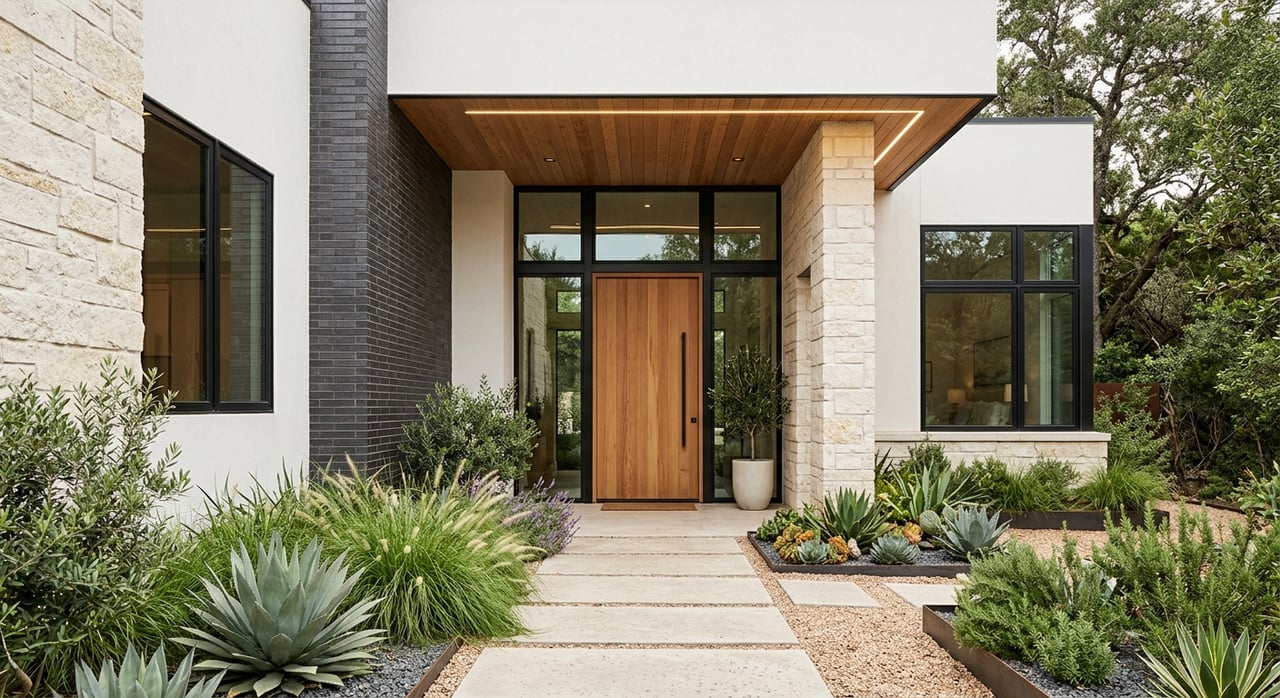
Basic prep can make a meaningful difference. Research recommends cleaning windows, carpets, lighting fixtures, and walls, clearing clutter, and improving curb appeal through landscaping, paint, and the front entry.
If you are deciding where to focus first, start with the areas buyers notice most. The living room, kitchen, and primary bedroom are especially important to stage well.
A practical pre-listing checklist
Before photos and showings, focus on these steps:
- Declutter counters, shelves, and entry areas
- Depersonalize rooms where possible
- Clean windows and remove heavy visual distractions
- Turn on lights and open blinds for brighter photos
- Freshen up the front entry and landscaping
- Make sure key rooms feel open and functional
These are not luxury touches. They are practical steps that help buyers picture the home more clearly.
Make photos and staging count
For many buyers, your online photos are their first showing. That means photography and staging are part of the sale, not an extra.
Research shows that staging helps buyers envision the home, and strong visuals matter across photos, in-person staging, video, and virtual tours. Professional photography is especially important because it helps your home compete the moment it hits the market.
A well-prepared listing should also include enough images to tell the full story of the home. Research suggests roughly 22 to 27 listing photos as a practical range.
Focus on what buyers notice first
You do not have to stage every inch of the house the same way. Start with the spaces that most influence first impressions:
- Living room
- Kitchen
- Primary bedroom
- Front exterior and entry
If those areas feel clean, bright, and well arranged, the rest of the home tends to show more confidently too.
Consider a pre-sale inspection
A pre-sale inspection is optional, but it can be a helpful strategy. It may uncover issues in the roof, structure, plumbing, electrical, HVAC, insulation, ventilation, or fireplace before the buyer’s inspection happens.
That gives you more control. You can choose whether to repair, price around the issue, or disclose it clearly before negotiations become more stressful.
For many sellers, this step supports a smoother transaction. It reduces surprises and helps you make decisions from a position of preparation instead of pressure.
Check The Woodlands exterior rules early
One of the most overlooked parts of selling in The Woodlands is rule-checking before making exterior changes. The Woodlands Township has residential standards that can affect updates you may want to make before listing.
Some exterior-facing changes may require review and approval unless they are already pre-approved. Depending on the project, that can include certain fence work, paint or stain changes, and some window-related updates.
Interior decorating and certain interior remodeling that do not require a permit or inspection generally do not need approval. Still, if your pre-listing plan includes visible exterior work, it is wise to confirm requirements first.
Exterior details that can matter
As you prep your property, keep these points in mind:
- Some exterior improvements may need advance review
- Visible newspaper or aluminum foil window coverings are not allowed
- Security bars are not permitted
- Real estate signage is limited by township standards
These details can affect your timeline, so it helps to review them early rather than right before photos or showings.
Know your sign and service details
The Woodlands is a special-purpose district, not an incorporated city. County services can vary by address between Montgomery County and Harris County.
For sellers, that means it is worth confirming the correct county and local service structure at the start of the listing process. It is a small step that can help avoid confusion later.
Signage rules matter too. The township allows one real estate sign on each single-family lot advertising that the property is for sale, rent, or lease, plus one open-house sign while the property is open to the public. The sign face may not exceed six square feet, and the sign must be removed within seven days after closing.
Be ready for disclosures
Selling with confidence also means being prepared for the paperwork that comes with a Texas home sale. Disclosure requirements should be on your checklist from the beginning, not treated as a last-minute task.
In Texas, a seller of a residential property with not more than one dwelling unit generally must provide a property condition disclosure. If the property is subject to mandatory property owners association membership, a separate notice is also required.
Some homes may need additional notices depending on the property. Homes built before 1978 require lead-based paint disclosures, and certain properties may also involve notices related to public improvement districts or statutory tax districts when applicable.
Negotiate from a position of strength
In a market like this, negotiation still matters. Even if conditions lean seller-friendly in some segments, buyers may negotiate more aggressively when a home is overpriced, underprepared, or tied to inspection concerns.
That is why your leverage starts before the first offer arrives. Accurate pricing, strong presentation, and upfront preparation can improve both the quality of offers and the terms you are able to negotiate.
Confidence does not come from guessing what the market might do next. It comes from making clear, local, strategic decisions at each step of the process.
Sell with a clear plan
If you are getting ready to sell in The Woodlands, your best advantage is not hype. It is a plan built on local data, thoughtful preparation, and a process that accounts for pricing, property condition, negotiation, and township rules.
That approach fits the market we are in right now. Sellers can still do well, but the strongest results usually go to homes that are priced carefully, presented well, and brought to market with fewer surprises.
If you want a clear strategy for pricing, preparation, and negotiation in The Woodlands, schedule a real estate strategy call with Penaranda Real Estate LLC.
FAQs
How should you price a home in The Woodlands before listing?
- Use recent closed sales for similar homes in your subdivision and compare condition, size, updates, and lot characteristics instead of relying on online estimates or the highest active listing.
What should you fix before selling a home in The Woodlands?
- Focus first on visible condition issues, cleanliness, clutter, curb appeal, and any repair items that could affect buyer perception or come up during inspection.
Do exterior updates in The Woodlands need approval before listing?
- Some exterior-facing changes may require review or approval under township residential standards, so it is smart to confirm requirements before making fence, paint, stain, or certain window-related changes.
What real estate sign rules apply when selling a home in The Woodlands?
- One real estate sign is allowed on each single-family lot, one open-house sign is allowed while the home is open to the public, the sign face may not exceed six square feet, and signs must be removed within seven days after closing.
What disclosures do Texas sellers need when selling a home in The Woodlands?
- Many sellers need a property condition disclosure, and some properties may also require notices for mandatory POA membership, lead-based paint for pre-1978 homes, or district-related disclosures when applicable.