If you price your Katy home based on what you hope it is worth instead of what buyers are actually paying, you could lose valuable time and leverage. That is a frustrating place to be, especially in a market where buyers have more choices and more room to negotiate than they did a few years ago. The good news is that strategic pricing is not guesswork when you use the right local data. Let’s dive in.
Why pricing matters more now
Katy is no longer a market where nearly any listing strategy works. In April 2026, the city showed 724 homes for sale, a median listing price of $379,000, a median sold price of $337,500, about 40 days on market, and a 98% sale-to-list ratio. Realtor.com also classified Katy as a buyer’s market, which tells you buyers are comparing options carefully.
HAR data points in a similar direction. In March 2026, Katy single-family homes had a median price of $349,450, an average price of $410,750, 476 transactions, and 30 days on market. Put simply, homes are still selling, but sellers need to enter the market with a realistic number and a clear plan.
The broader Houston market supports that same message. In January 2026, the metro had 34,570 active single-family listings, 4.7 months of inventory, and 66 days on market. That is a much more balanced setting than a scarcity-driven market, so pricing discipline matters from day one.
Why Katy pricing is hyper-local
One of the biggest pricing mistakes is using a citywide average as your main guide. Katy covers a wide range of price points, and the spread is too large to treat every area the same. Realtor.com shows median listing prices from about $290,000 in Brenwood to $1.07 million in Avalon at Seven Meadows, with ZIP code medians ranging from $291,000 in 77084 to $577,500 in 77094.
That is why your pricing strategy should start with recent sales in your same subdivision, similar home type, and nearby competition. A one-story resale home in one pocket of Katy is not competing with every home in the city. It is competing with the homes buyers see as the closest alternatives.
HAR submarket trends reinforce that point. Katy-Southwest posted a median sold price around $571,263 to $573,795 with about 3.6 to 3.7 months of inventory and roughly 37 days on market, while Katy-Southeast was around $482,951 to $484,242 with about 2.8 to 2.9 months of inventory and close to 30 days on market. Those are meaningful differences, and they can change how aggressive or conservative your list price should be.
What the right comps should tell you
When you price a home strategically, you are not picking a number in isolation. You are reading what buyers have already accepted in the market. The most useful signals are sold comparables, days on market, sale-to-list ratio, and the amount of active inventory.
In Katy, homes sold for about 98% of asking on average and took around 40 days to sell in April 2026. That suggests buyers are still paying close to list price when a home is positioned correctly, but they are not blindly stretching far past it. Your list price should be close to the range the market is already validating.
Inventory also matters. Katy’s active listings were up 18.27% year over year in April 2026, and Houston single-family active listings were up 16.6% year over year in early 2026. More inventory usually means more pricing pressure, more comparison shopping, and less room for optimistic overpricing.
The real cost of overpricing
Overpricing does more than reduce showings. It can make your listing look stale while better-positioned homes capture buyer attention first. In a market where buyers have options, time on market can become part of the story buyers tell themselves about your home.
Once a home sits too long, many sellers end up reducing the price later anyway. The problem is that the later reduction often happens after you have already missed the strongest window of fresh market interest. A smart first price can protect both momentum and negotiating power.
This is especially important in a buyer’s market. If Katy buyers already have room to negotiate and many homes are staying active longer than in past years, pricing above market is less likely to be rewarded. It is more likely to invite silence.
How Waller changes the strategy
If your property is in Waller or near the Katy-Waller area, your pricing approach may need even more caution. Waller’s April 2026 market data showed 408 homes for sale, a median sold price of $306,826, 59 days on market, and a 97% sale-to-list ratio. HAR’s April 2026 Waller update also showed 6.3 months of inventory and a median sold price of $323,087.
The exact number varies by source because the geography and methodology differ, but the message is consistent. Waller is moving more slowly than many Katy pockets and can be more negotiable. If you are selling there, patience alone is not a pricing strategy.
Price against resale and new construction
In Katy, your home may not only be competing with resale listings. It may also be competing with nearby builder inventory. HAR’s 2026 Katy-area new-construction guide notes active building in communities such as Cross Creek West, Tamarron West, Sunterra, Elyson, Brookewater, Briarwood Crossing, Fulshear Lakes, and Grand Ridge Crossing, with many builders continuing to release move-in-ready homes throughout the year.
That matters because builders often offer incentives. Those can include closing cost assistance, rate options, and design credits. So even if a new home has a higher sticker price, the overall value package may still feel attractive to a buyer.
Your resale strategy should account for that. Buyers may compare your home’s price, condition, layout, and features against a new home with financial incentives and modern finishes. If your home is not brand new, it needs to feel compelling in presentation and pricing.
Focus on the updates buyers notice most
Before listing, it helps to think strategically about preparation. The goal is not to renovate everything. The goal is to remove objections and improve how buyers experience the home.
The 2025 Remodeling Impact Report says the most common seller-prep recommendations include painting the entire home, painting one room, and fixing or replacing the roof before listing. It also notes increased demand in the last two years for kitchen upgrades, new roofing, and bathroom renovations.
That does not mean every project is worth doing. The same research notes that cost recovery varies by design, material quality, location, age, condition, and homeowner preferences. In other words, a major luxury renovation is not automatically the best move before you sell.
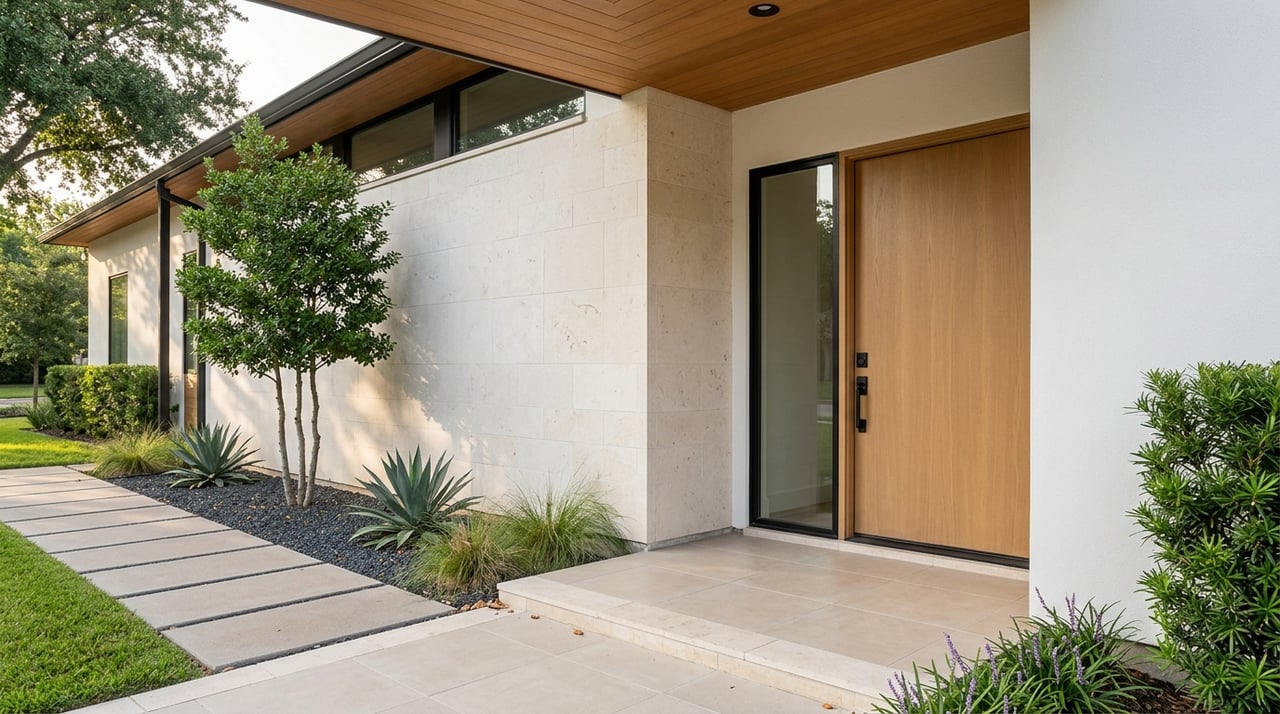
Smaller, visible improvements can be powerful. NAR reported 100% cost recovery for a new steel front door in its 2025 report, and 92% of REALTORS recommended improving curb appeal before listing. Landscaping maintenance, standard lawn care, and tree trimming were also among the most common recommendations.
A smart pre-listing checklist
If you want the market to support your asking price, start with the basics that improve first impressions and reduce buyer hesitation.
- Freshen paint where wear is obvious
- Address roof concerns if needed
- Improve curb appeal with lawn care and trimming
- Repair visible deferred maintenance
- Make the entry feel clean and updated
- Focus on kitchen or bath improvements only when the market supports them
The key is to make your home feel well cared for and move-in ready where possible. In many cases, that does more for your sale than chasing a long list of expensive upgrades.
A practical pricing framework for sellers
A strong pricing strategy usually comes down to a few simple questions. These questions can help you think like the market instead of reacting emotionally to your home’s value.
What sold nearby recently?
Look at truly comparable sold homes, not just active listings. Sold data shows what buyers actually accepted, which is more important than what sellers hoped for.
What is active right now?
Your home enters the market against current competition, not last year’s conditions. If buyers can choose from several similar homes, pricing too high can push your home down the list.
How long are homes taking to sell?
Days on market tell you how patient buyers are being. In Katy, around 30 to 40 days may be normal depending on the data source and submarket, while Waller is taking longer.
What value story are you offering?
If your home has updates, a strong lot, better condition, or a more flexible move-in timeline, those features matter. But they still need to be reflected in a price buyers see as fair compared with nearby resale and new construction options.
Strategic pricing is about leverage
The goal is not to be the cheapest home on the market. The goal is to be the home that feels like the smartest choice. That often means pricing close to the range where buyers are already saying yes, then supporting that number with clean presentation, smart preparation, and a strong launch strategy.
In a place like Katy, that takes more than pulling a citywide average. It takes neighborhood-level analysis, awareness of builder competition, and clear-eyed judgment about what your home can command in today’s market. That is where strategy can protect both your time and your bottom line.
If you are thinking about selling in Katy or Waller, a local pricing review can help you avoid costly guesswork and make a stronger first impression in the market. For a data-driven plan built around your home, your competition, and today’s buyer behavior, schedule a strategy call with Penaranda Real Estate LLC.
FAQs
How should you price a home for sale in Katy, TX?
- Start with recent sold comps from your same subdivision or nearby competing area, then compare them against active listings, days on market, and current buyer leverage in Katy.
Why do citywide averages not work for Katy home pricing?
- Katy has a wide range of price points by neighborhood and ZIP code, so citywide numbers are too broad to accurately price most individual homes.
What do sale-to-list ratios mean for Katy sellers?
- A 98% sale-to-list ratio suggests buyers are paying close to asking when a home is priced correctly, but not rewarding aggressive overpricing.
How does Waller, TX differ from Katy when pricing a home?
- Waller data points to a slower and more negotiable market, with longer days on market and higher inventory, so sellers often need to be more price-sensitive.
Should you compete with new construction when selling a Katy resale home?
- Yes. Many Katy-area communities still have active builder inventory, and builder incentives can shape what buyers see as a strong overall value.
What home updates matter most before listing in Katy?
- High-impact prep often includes paint, curb appeal improvements, visible repairs, and addressing roof issues when needed, rather than taking on every possible renovation.